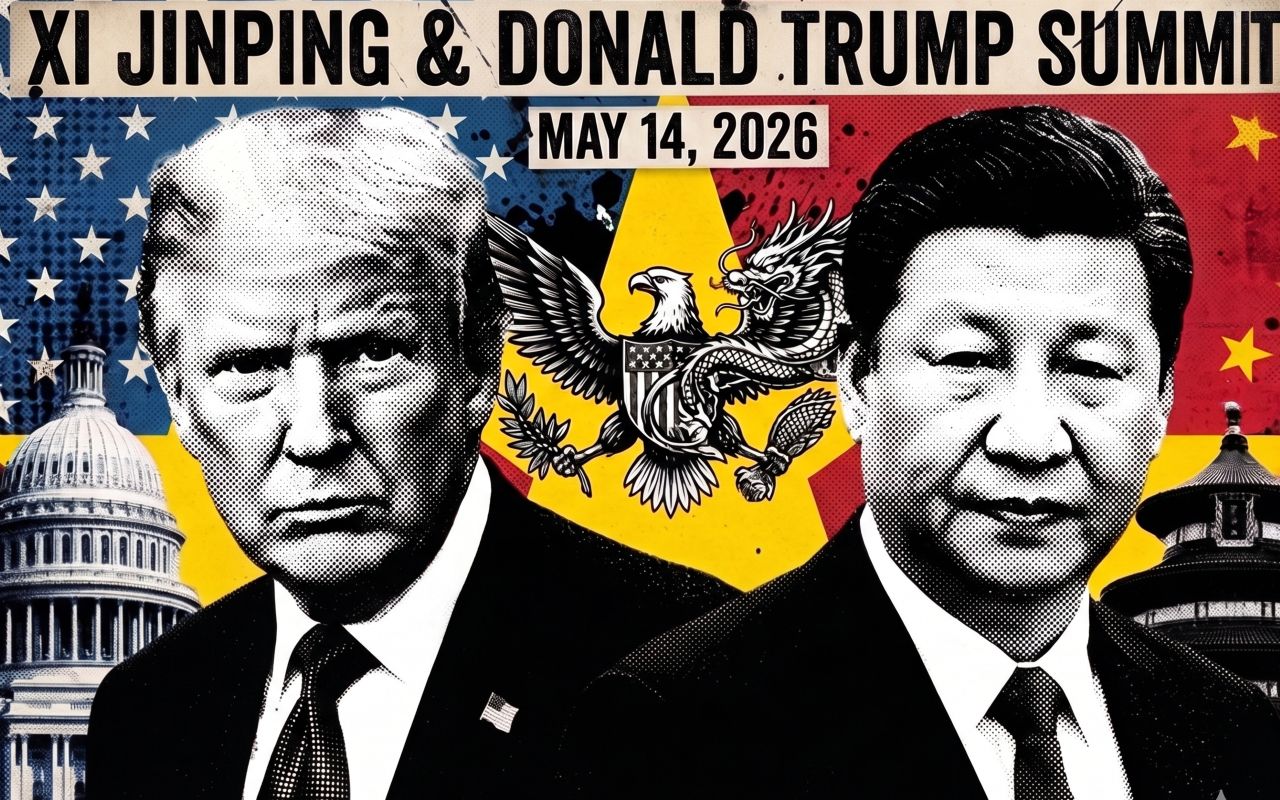
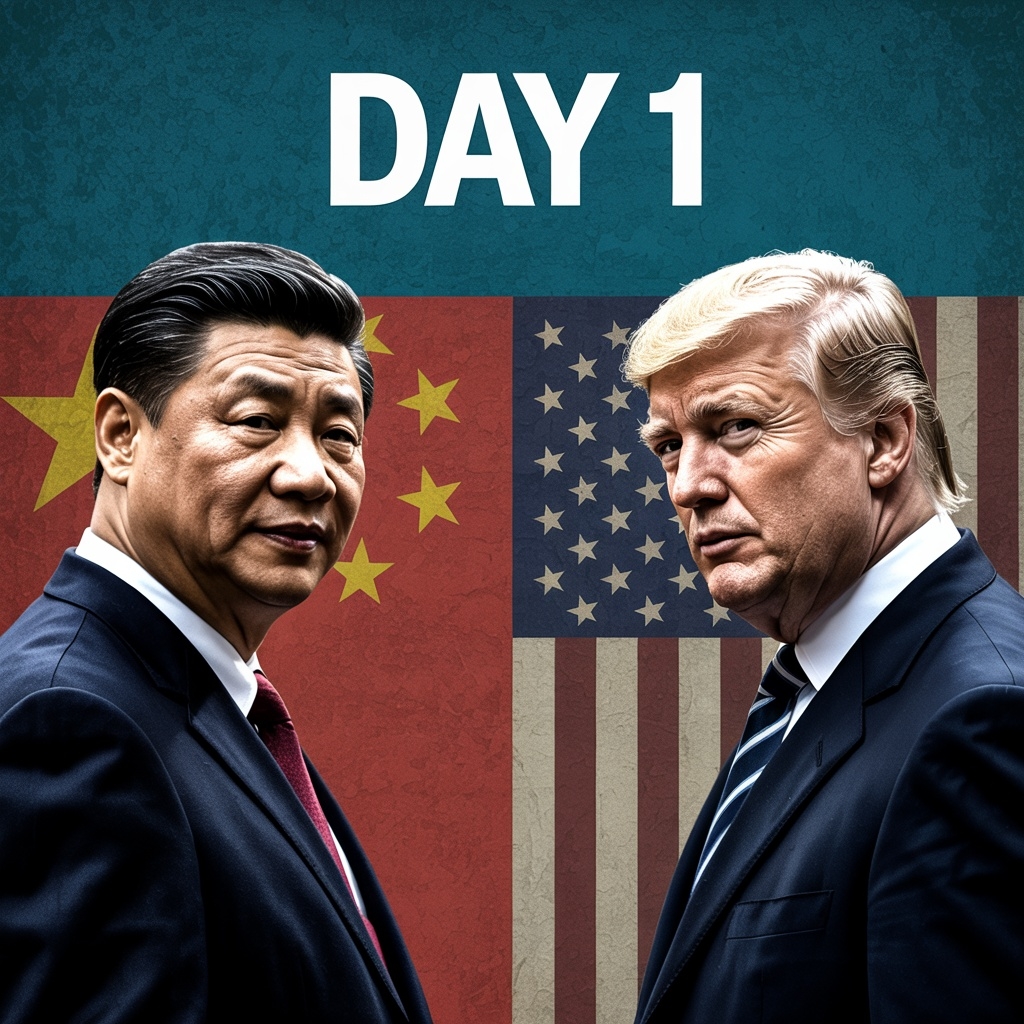
The first day of the Trump-Xi summit in Beijing opened with polished ceremony, warm rhetoric, and the kind of carefully choreographed optics both Washington and Beijing know how to produce when they want to project control. State banquets, symbolic gestures, and talk of cooperation set the public tone.
But behind the pageantry, the substance was more complicated. What emerged from day one was not reconciliation, and certainly not trust. It was something narrower and more realistic: an attempt to build a framework for managing a rivalry both sides now appear to accept as permanent.
That framework matters. So do the frictions around it. Taiwan remains the most dangerous fault line in the relationship. Economic talks suggest selective stabilisation rather than a genuine reset. And even as both leaders publicly emphasised stability, scenes behind the scenes reportedly descended into confusion, access restrictions, and security clashes that exposed how deep the mistrust still runs.
This is the central story from Beijing. The US and China are not moving toward friendship. They are trying, at least for now, to stop strategic competition from tipping into something worse.
Table of Contents
- A New Formula: “Strategic Stability” Rather Than Reconciliation
- Taiwan Remains the Most Dangerous Issue
- Behind the Optics: Security Clashes and Media Restrictions
- Trade Talks Point to Selective De-Escalation
- Energy Security and the Hormuz Factor
- Rare Earths: Temporary Relief, Long-Term Dilemma
- Boeing’s 200-Plane Deal Was Significant, but Markets Wanted More
- Markets Reacted With Restraint, Not Excitement
- What Day One Really Showed
- FAQ
A New Formula: “Strategic Stability” Rather Than Reconciliation
The most significant political development from the summit’s opening day was the language coming out of Beijing around a “constructive U.S.-China relationship of strategic stability". Chinese officials reportedly framed this as a long-term positioning for bilateral ties that could help guide relations over the next three years and beyond.
This is important because the wording signals how Beijing increasingly sees the relationship. The old hope that rivalry might be softened or dissolved has largely given way to a harder assumption: competition will continue, so it must be managed.
That is a meaningful shift. The emphasis is no longer on removing strategic tension. It is about keeping that tension within bounds.
In practical terms, the framework appears to rest on a few core ideas:
- U.S.-China competition is now viewed as enduring.
- The goal is to keep it moderate rather than explosive.
- Differences should remain manageable, even if unresolved.
- Stability is being presented as compatible with long-term rivalry.
That may sound dry, but it has real strategic implications. If this formulation takes hold, Beijing could later argue that tougher U.S. export controls, technology restrictions, or trade actions violate the spirit of the new framework. In other words, “stability” could become both a diplomatic principle and a political instrument.
That is why the language should not be mistaken for détente in any classic sense. It is better understood as structured competition. A system for reducing the odds of crisis without changing the underlying rivalry.
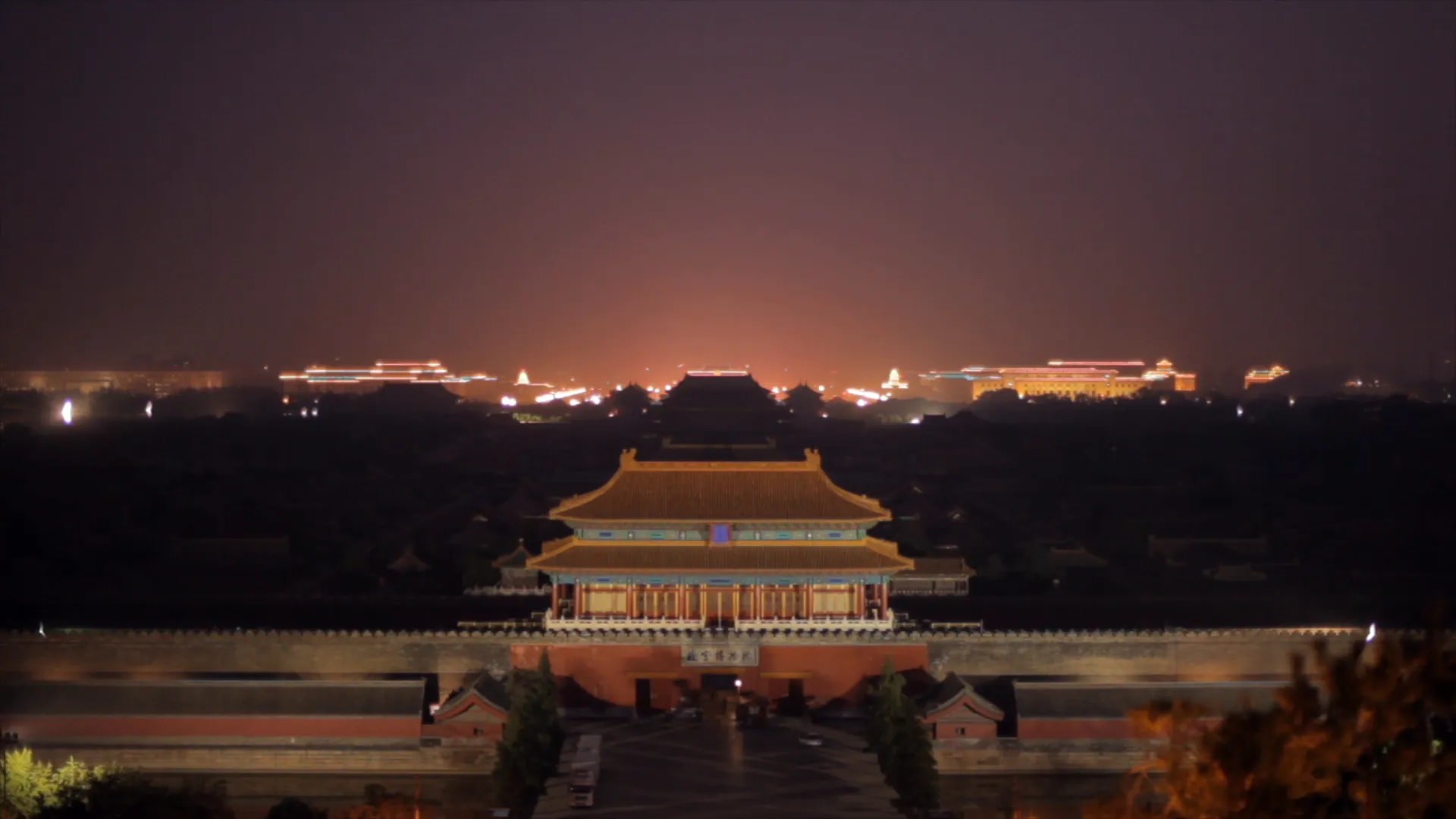
Seen from Beijing’s side, this also fits a broader effort to present Chinese diplomacy as disciplined and mature. The argument is not that strategic competition can be wished away. It is that both powers, as major states, should be able to conduct it without descending into open confrontation.
Whether Washington sees the framework in exactly the same way is another question.
Taiwan Remains the Most Dangerous Issue
If strategic stability is the summit’s headline concept, Taiwan is the point where that concept could break down.
Chinese state media reported that Xi warned Trump directly that Taiwan is the most important issue in China-U.S. relations and that mishandling it could push the relationship into confrontation or even conflict. That is not new language from Beijing in a broad sense, but repeating it at a summit of this level underscores just how central the issue remains.
Beijing also reiterated its longstanding claim that Taiwanese independence and peace across the Taiwan Strait are mutually exclusive. This is a core part of the Chinese Communist Party’s position. It views Taiwan as part of its territory and has repeatedly stated that unification remains the end goal, by force if necessary.
The danger here is not theoretical. Cross-strait tensions have risen sharply in recent years. Beijing has increased military pressure around Taiwan through larger exercises, more frequent aircraft activity near the island, and sustained efforts to signal both capability and intent.
Those pressures intensified after the election of Taiwan’s president, William Lai Ching-te, whom Beijing deeply distrusts and has labelled a separatist.
From Washington’s perspective, Taiwan is strategically critical for several reasons:
- Geography: Taiwan sits at the centre of vital Pacific maritime routes.
- Technology: It is home to world-leading semiconductor manufacturing.
- Military balance: Taiwan’s autonomy helps constrain China’s ability to project power more freely into the Pacific.
- That last point is often understated but highly important. As long as Taiwan remains outside Beijing’s control, China’s maritime position is limited in ways that matter to the broader regional balance.
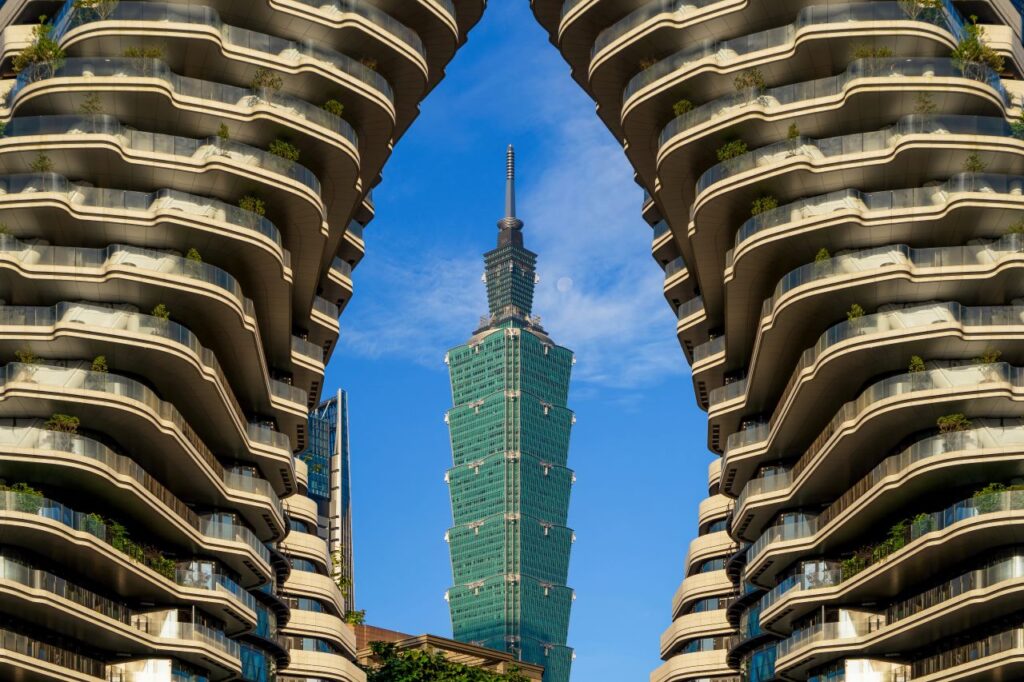
For that reason, Washington has continued supplying Taiwan with advanced weapons while preserving its long-standing policy of strategic ambiguity on direct military intervention. Trump’s own rhetoric has at times looked mixed, particularly around burden-sharing and whether Taiwan should pay more for American support. But his administration has also approved major arms packages for Taipei.
So the underlying equation remains intact: Beijing sees Taiwan as a core sovereignty issue, Washington sees it as a key strategic asset, and both sides believe their position is essential.
That makes Taiwan the most plausible trigger for a future US-China crisis, no matter how elegant the summit language may sound.
For more on the broader trajectory of cross-strait pressure, this earlier China update news analysis on rising Taiwan tensions gives useful context on how the issue was already escalating before the summit.
Behind the Optics: Security Clashes and Media Restrictions
Public diplomacy on day one projected warmth. The operational reality sounded much messier.
Reports from Beijing described a series of chaotic incidents during the first full day of the summit, including a physical altercation in which a White House staff member was reportedly knocked down and trampled by a crowd of Chinese reporters rushing into a bilateral meeting between Trump and Xi. The aide was said to be bruised and shaken, though not seriously injured.
That alone would have been embarrassing enough. But it was only one of several reported confrontations.
At the Temple of Heaven, Chinese officials reportedly blocked a US Secret Service agent from entering a secure area because he was armed, even though carrying a firearm is standard procedure for presidential protection teams. American officials refused to continue without the agent. Chinese authorities insisted the weapon be surrendered. The result was a standoff and delay.
There were also reports that American journalists faced tight restrictions, including movement controls, denial of access to the presidential motorcade, and confinement in holding rooms. In one episode, members of the U.S. delegation reportedly pushed past security personnel and ran across the grounds to rejoin Trump’s departing convoy.
These incidents matter for more than tabloid reasons. They reflect the very different institutional cultures the two countries bring to major diplomatic events.
- The US system tends to prioritise autonomous security protocols for presidential protection and relatively greater press access.
- The Chinese system operates through centralised control, highly managed movement, and strict information discipline.
When those two systems collide inside the same summit environment, frictions are almost inevitable.
There was also a broader security backdrop. Surveillance was reportedly visible throughout central Beijing, and American staff and journalists were instructed to use burner phones and temporary email accounts amid concerns about cyber surveillance and hacking.
So while the public message was one of stability, the mechanics of the visit exposed persistent mistrust. In some ways, that is a more honest snapshot of the current US-China relationship than the official photos. The diplomacy may be managed. The suspicion is still real.
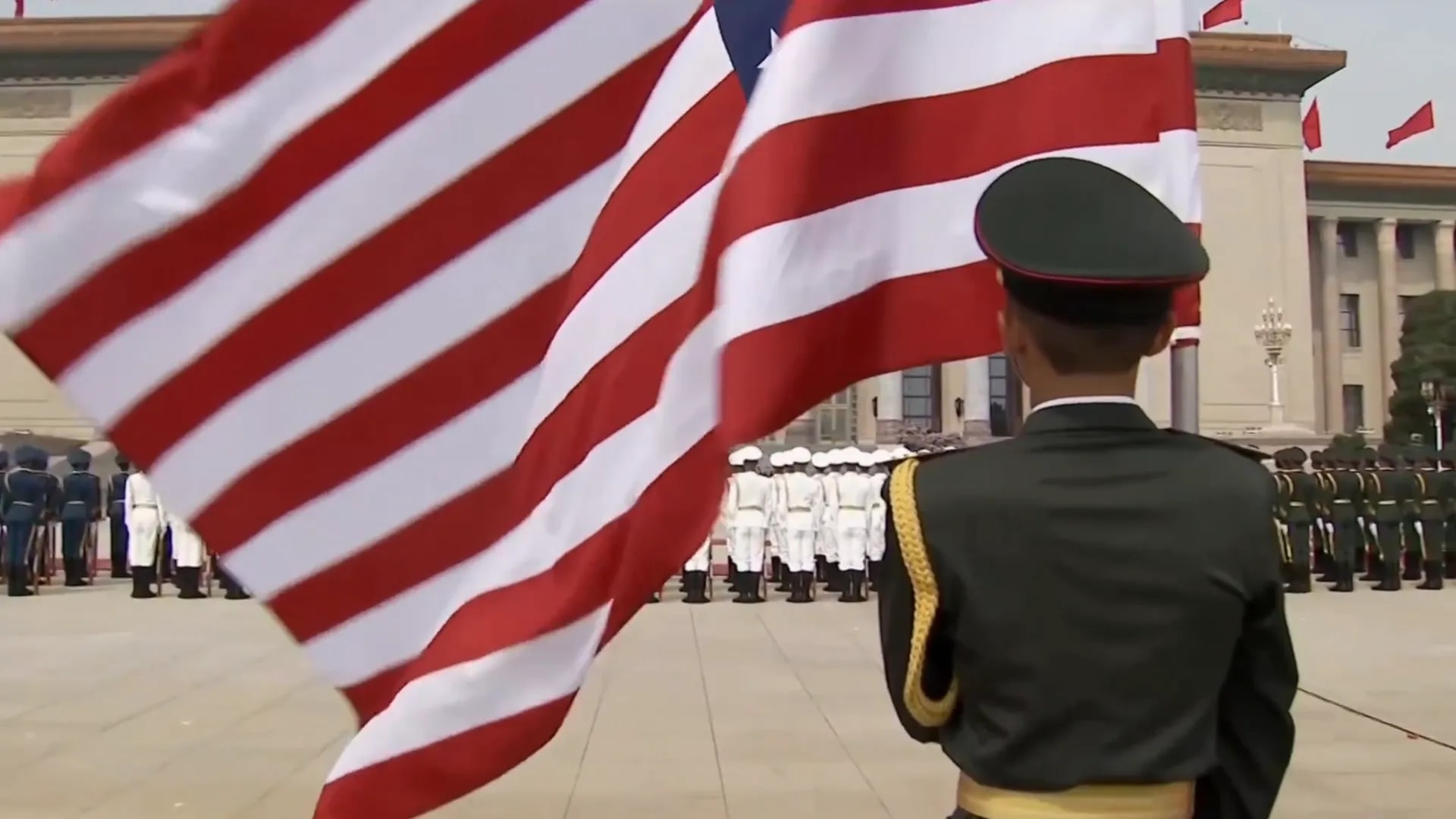
Trade Talks Point to Selective De-Escalation
On the economic front, day one produced signs that both governments are exploring a partial easing of tensions in non-sensitive sectors.
The emerging direction is not full normalisation. It is selective decoupling combined with selective reopening.
Trade officials signalled that Washington and Beijing are discussing mechanisms to lower tensions in commercially important areas while preserving restrictions in advanced technology and national security-related sectors. That distinction is becoming central to how both sides manage the relationship.
Several developments stood out.
Agriculture Could See a Significant Boost
U.S. Trade Representative Jamieson Greer indicated that China is expected to commit to double-digit billions in annual purchases of American agricultural goods over the next three years. That would include soybeans, grains, meat, and other farm exports.
If implemented, this would be a notable boost for U.S. agriculture, which has spent years absorbing the effects of tariffs, retaliatory restrictions, and the instability of a highly politicised bilateral trade relationship.
China’s agricultural imports from the United States were badly disrupted during earlier trade clashes, pushing Beijing to diversify toward suppliers such as Brazil. A renewed purchasing commitment would not reverse that diversification, but it would suggest a willingness to stabilise at least one major trade channel.
Boards of Trade and Investment Are Under Discussion
Treasury Secretary Scott Bessent said both governments are considering the creation of a board of trade and a board of investment to manage commercial ties and reduce tariffs on non-critical goods.
One proposal reportedly involves cutting tariffs on roughly $30 billion worth of trade in sectors not considered strategically sensitive.
That is a revealing number, not because it is enormous, but because it points to the emerging logic of the relationship. The two sides appear to be accepting that trying to sever all economic links would be both expensive and destabilising. Instead, they are searching for a way to separate strategic denial from routine commerce.
This theme has surfaced before in wider reporting around summit preparations, including discussion of potential formal economic mechanisms in this China update news roundup from early May.
Selective Decoupling Is Becoming the Baseline
The likely outcome is not decoupling versus engagement. It is both, depending on the sector.
That means:
- Continued restrictions in advanced chips, sensitive technology, and defense-linked industries
- Possible tariff relief and smoother trade flows in agriculture, consumer goods, and some industrial sectors
- Ongoing efforts by businesses to diversify supply chains, though perhaps at a slower pace if tensions ease
For multinational firms, this kind of calibrated stability could matter a great deal. A less volatile tariff environment reduces the risk of another sudden trade rupture like the 2025 clash that rattled markets and manufacturing networks.
At the same time, few companies are likely to assume the strategic competition is ending. Most have already spent years building redundancy, shifting production, or adding suppliers outside China. Day one of the summit may slow that process in some sectors, but it does not eliminate the rationale for it.
Energy Security and the Hormuz Factor
Energy was another area to watch closely. Trump said Xi appeared interested in increasing Chinese purchases of US oil and liquefied natural gas.
This is happening in a very specific geopolitical context. The conflict involving Iran has severely disrupted the Strait of Hormuz, one of the most important energy chokepoints in the world. For China, the world’s largest energy importer, that creates obvious pressure to diversify away from heavy dependence on Middle Eastern flows.
For the United States, the timing is favourable. America is now the world’s largest LNG exporter and a major oil producer. That creates a practical overlap in interests, at least in the short term.
If Chinese purchases of US energy increase, that would not just be a trade story. It would also be a strategic adjustment linked to supply security and geopolitical risk.
The Hormuz backdrop is critical to understanding why energy has become more prominent in current US-China talks. A deeper look at those pressures appears in this report on Hormuz turmoil and its effects on China’s economy and supply chains.
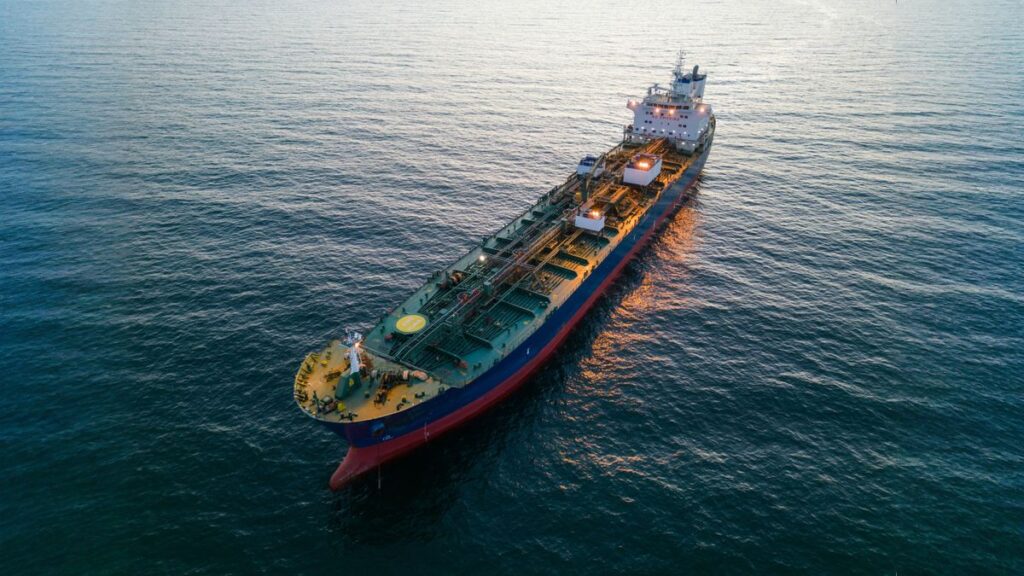
Rare Earths: Temporary Relief, Long-Term Dilemma
Rare earths remain one of the most sensitive parts of the economic relationship.
China dominates global processing and refining in this sector, which gives Beijing significant leverage over supply chains tied to electric vehicles, semiconductors, defence systems, wind turbines, and advanced electronics. Last year’s export restrictions and approval slowdowns caused serious disruption and accelerated Western efforts to build alternative supply chains.
There are now indications that the rare earth situation may be stabilising, at least temporarily. For U.S. manufacturers dealing with uncertainty, that would offer near-term relief.
But this also creates a strategic dilemma for Washington.
The White House has been aggressively funding non-China rare earth supply chains, with Bloomberg Intelligence estimating around $10 billion in public spending this year alone on new mining, refining, and processing capacity. If Chinese supply becomes reliably available again, some companies may lose the incentive to support more expensive Western alternatives.
That creates a familiar tension between cost and resilience. Businesses tend to prefer the cheaper option. Governments tend to care more about strategic vulnerability. Day one of the summit may slightly ease the immediate pressure, but it does not solve the structural dependency problem.
Boeing’s 200-Plane Deal Was Significant, but Markets Wanted More
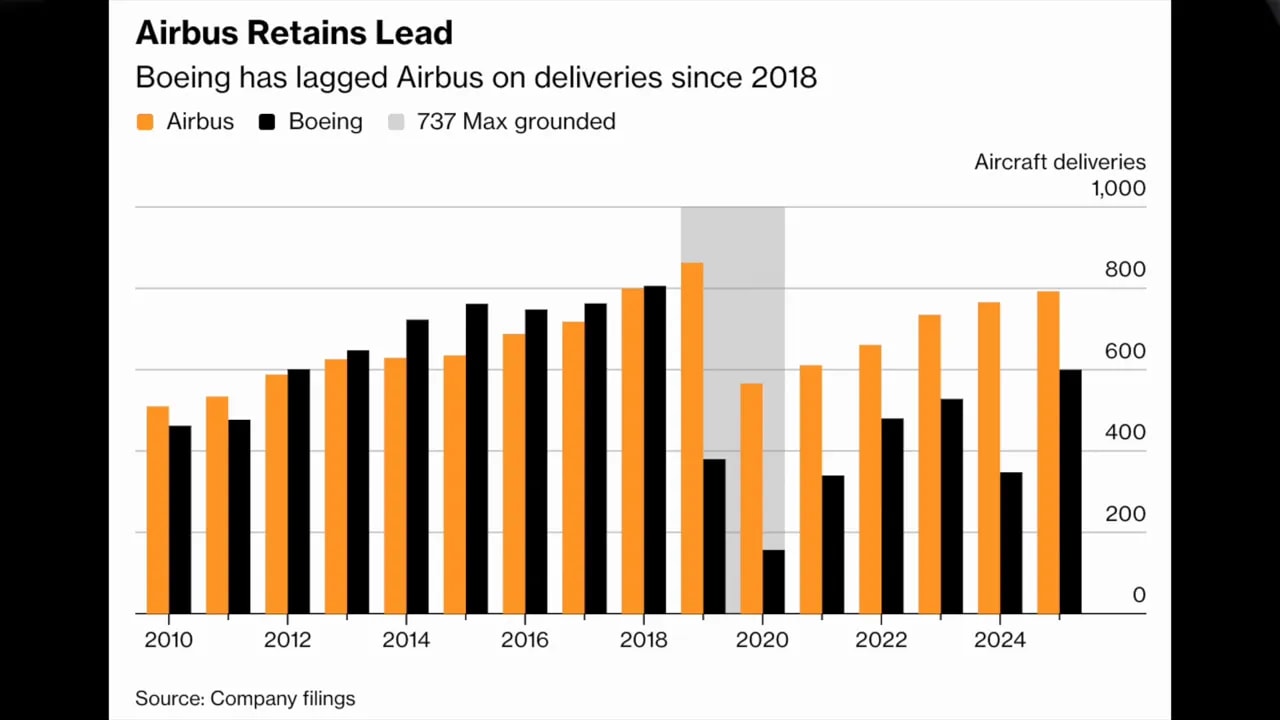
One of the day’s most closely watched commercial announcements involved Boeing. Trump said China agreed to purchase 200 Boeing aircraft, a potentially meaningful reopening of a market that has been largely frozen for the American aerospace giant.
Even so, the market reaction was negative. Boeing shares fell more than 5 per cent after the announcement.
The reason was expectation. Some analysts had gone into the summit hoping for commitments of more than 500 aircraft. Against that backdrop, 200 looked underwhelming.
There is also a credibility issue. China has made major purchase pledges in the past that were not fully carried out. So investors are not just asking how many planes were announced. They are asking how many will actually be delivered.
Still, the agreement should not be dismissed. Even a 200-plane order would represent a substantial breakthrough for Boeing after years of trade tension, the fallout from 737 MAX safety controversies, and aggressive competition from Airbus.
It could also help global aerospace supply chains, where demand for commercial aircraft continues to outstrip manufacturing capacity.
Markets Reacted With Restraint, Not Excitement
Financial markets responded cautiously to the first day of the summit.
Chinese stocks fell in both Hong Kong and mainland trading. The Nasdaq Golden Dragon China Index also dropped sharply in overnight U.S. trading before stabilising. Analysts described the move as a classic sell-the-fact reaction. In other words, the summit broadly matched expectations and did not deliver the kind of surprise breakthrough that would justify a major rally.
That restrained response is telling. Markets appear to be pricing in a world of managed strategic competition rather than either dramatic reconciliation or imminent collapse.
From an investor perspective, the absence of a major escalation may itself be a positive. Stability, even limited and conditional stability, has value in a relationship this important to trade, manufacturing, finance, and global logistics.
For supply chains, that may be the most important takeaway from day one. If both governments can create a somewhat more predictable operating environment in non-sensitive sectors, global businesses get breathing room. Not certainty. Not peace. But breathing room.
What Day One Really Showed
The first day of the Beijing summit highlighted three realities at once.
First, Washington and Beijing increasingly treat their rivalry as a permanent condition, not a temporary dispute.
Second, both sides still see value in building guardrails, especially in trade and diplomacy, to prevent that rivalry from spiralling.
Third, the deepest dangers remain untouched. Taiwan is still the central flashpoint. Security mistrust is still intense. Economic stabilisation is still selective and reversible.
So the summit’s opening day should not be read as a thaw. It is better understood as an effort to impose order on a relationship both parties know is too dangerous to leave unmanaged.
That may be the best either side can realistically achieve right now.
FAQ
What was the main political outcome of day one of the Trump-Xi summit?
The most important development was the apparent agreement to pursue a “constructive U.S.-China relationship of strategic stability". This suggests both sides are trying to manage long-term rivalry rather than resolve it.
Does “strategic stability” mean US-China tensions are easing permanently?
No. The concept points more toward controlled competition than reconciliation. The rivalry remains in place, but both governments appear interested in reducing the risk of direct confrontation.
Why is Taiwan still the most dangerous issue in the relationship?
Because Beijing treats Taiwan as a core sovereignty issue and has not ruled out force, while Washington sees Taiwan as strategically vital and continues to support it with arms sales. That makes Taiwan the most likely trigger for a serious crisis.
What happened behind the scenes during the summit?
Reports described multiple chaotic incidents, including security standoffs, restricted press access, and a physical confrontation involving a White House staffer. These episodes highlighted deep mistrust and very different approaches to security and media control.
What economic areas saw progress on day one?
Talks pointed to possible Chinese purchases of U.S. agricultural goods, discussion of new boards to manage trade and investment, potential tariff reductions on non-sensitive goods, and possible increases in Chinese purchases of U.S. energy.
Why are rare earths so important in US-China relations?
China dominates rare earth processing and refining, which gives it leverage over supply chains tied to high-tech manufacturing, defence, and green energy. Any easing in access helps manufacturers now but could reduce urgency to build independent supply chains later on.
Was the Boeing announcement a major breakthrough?
It was significant, but markets were not impressed. China’s reported agreement to buy 200 Boeing aircraft could reopen an important commercial channel, but expectations had been much higher, and investors remain cautious about whether the deal will be fully implemented.
How did markets react to the summit’s first day?
Markets reacted cautiously. Chinese equities and the Nasdaq Golden Dragon China Index fell, suggesting investors saw the summit as largely meeting expectations without producing major positive surprises. Still, the lack of escalation was viewed as mildly reassuring.