
China Update News this week is defined by one central theme: pressure building across multiple fronts at once. Labor markets are shifting, Chinese investment in Europe is becoming more politically contested, Western intelligence agencies are sounding alarms about cyber espionage, and Beijing is tightening control over its artificial intelligence sector. Taken together, these developments point to a country navigating a harder economic and strategic environment than the one that powered its rise over the past several decades.
The common thread is structural change. China is no longer operating under the conditions that made abundant labor, open global capital, and export-led growth seem almost automatic. Instead, policymakers are confronting the difficult trade-offs that come with slower growth, geopolitical rivalry, and a more security-driven policy approach.
Table of Contents
- News Section 1: China’s migrant workforce is under strain
- News Section 2: China’s investment push in Europe is entering a more political phase
- News Section 3: Europe is sounding stronger warnings about Chinese cyber espionage
- News Section 4: Beijing tightens control over AI talent, capital, and overseas activity
- What ties these stories together
- FAQ
News Section 1: China’s migrant workforce is under strain
One of the most important economic stories in China today is the stress facing its vast migrant workforce. For decades, hundreds of millions of rural workers moved to cities and coastal provinces, supplying the labor that helped build China’s manufacturing base, property boom, and export machine. That model is now under visible pressure.
Several forces are squeezing the availability of urban jobs. Weak domestic demand has reduced business confidence. The long property downturn has sharply cut construction activity. At the same time, softer external demand and ongoing US-China trade tensions are weighing on factory output in major industrial regions.
The result is a noticeable shift in labor mobility. China still has roughly 300 million migrant workers, but fewer are traveling long distances across provinces for work. This trend has reportedly been declining since 2015 and now appears to be accelerating.
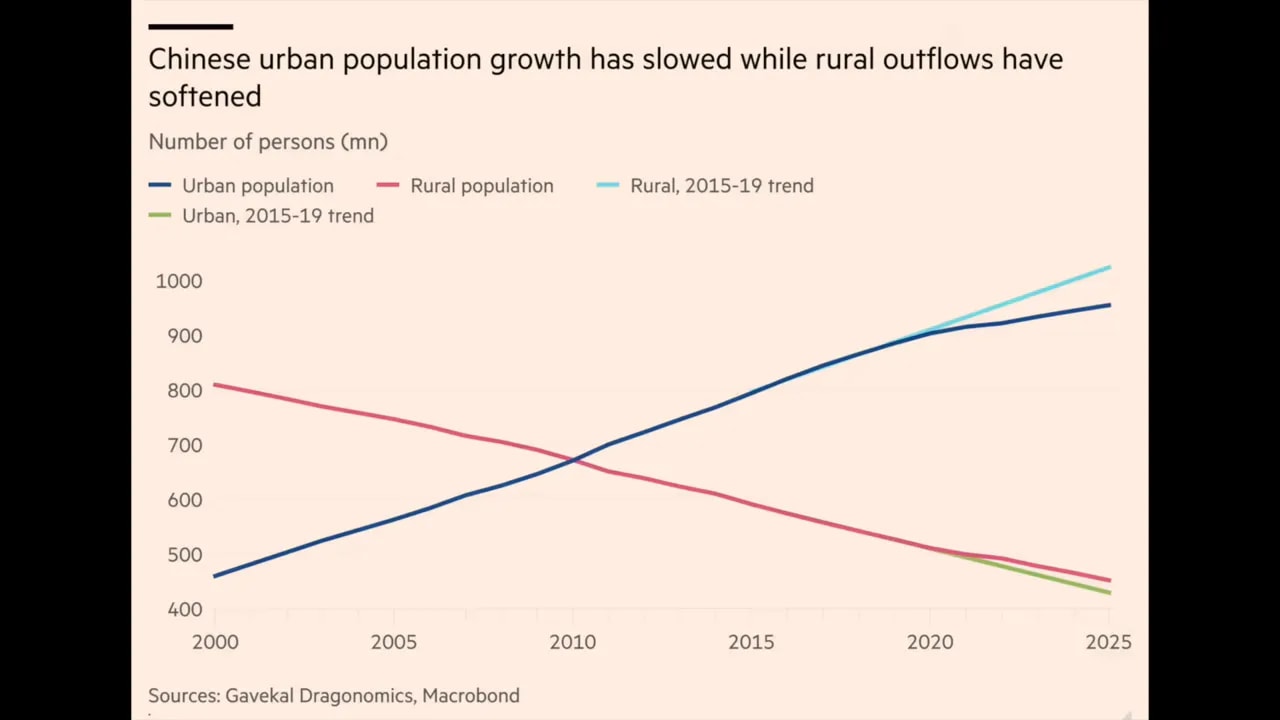
That matters because labor mobility has been one of China’s core economic strengths. Migrant workers allowed labor to move from lower-productivity rural regions to more productive urban economies. If that movement slows, China loses part of the efficiency that helped power rapid growth.
Why Beijing sees this as more than an employment issue
The issue is not just economic. It is also political and social.
Migrant workers often support families back in their home regions. If jobs in cities disappear and workers are forced to return home without stable income, the pressure spreads far beyond individual households. Rural economies are generally less productive and may struggle to absorb returning labor. That can depress incomes, increase underemployment, and create broader local stress.
There is also a stability concern. Labor disputes involving migrant workers have already been linked to protests in different parts of the country. In many cases, those incidents begin as workplace grievances and then escalate. If job prospects worsen for large numbers of workers at once, the potential for wider unrest rises.
For Chinese authorities, this is especially sensitive because migrant labor has historically functioned as a stabilizing force. Even during slower periods, cities often offered at least some opportunity. If that safety valve weakens, local governments may face more strain, particularly in regions with limited fiscal resources.
The deeper structural problem: skills mismatch
Part of the problem is cyclical, linked to the property slump and weak demand. But part of it is structural.
China’s economy is moving toward more capital-intensive and technology-intensive industries. Advanced manufacturing, automation, and sectors such as artificial intelligence can create jobs, but not necessarily for the same workers who once found employment in construction sites, assembly lines, or lower-skilled factory roles.
This creates a skills mismatch. Older migrant workers in particular may not have the training needed to move into higher-skilled industries. That can leave a growing group of workers underemployed even if new sectors are expanding.
The risks include:
- Weaker consumption as migrant incomes soften
- Lower productivity if labor is stuck in less efficient sectors or regions
- Structural unemployment if workers cannot transition into new industries
- Long-term growth drag when weaker mobility meets demographic decline and population aging
Beijing has started to respond with employment guidelines and subsidies aimed at encouraging mobility. But the scale of the challenge is large. This is not simply about creating jobs. It is about adapting an enormous workforce to a new economic model.
News Section 2: China’s investment push in Europe is entering a more political phase
A second major development in China Update News is China’s changing industrial strategy in Europe. Chinese firms are still pursuing expansion, particularly in green technology and electric vehicles, but they are running into a much more cautious political climate.
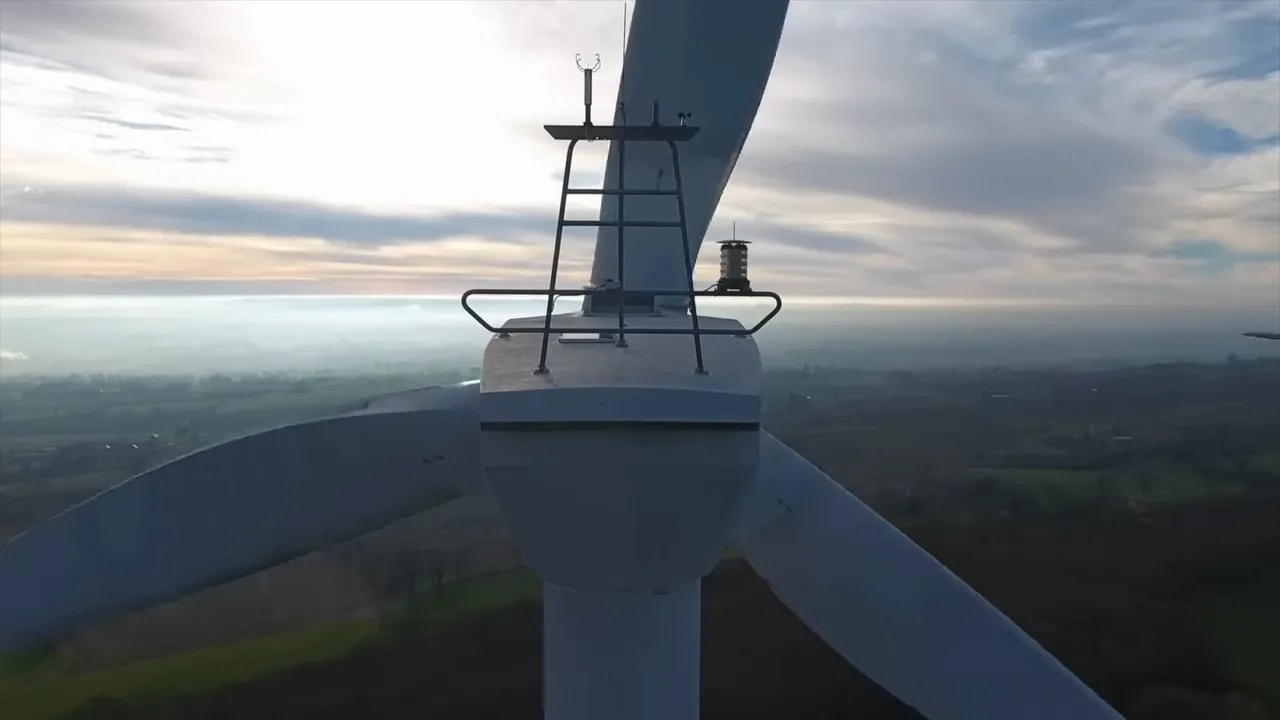
One clear example involves Chinese wind turbine manufacturer Ming Yang Smart Energy Group. After the United Kingdom blocked a proposed facility in Scotland on national security grounds, the company began considering Spain as an alternative location for a factory.
This reflects a wider shift inside Europe. Northern European markets are becoming more wary of Chinese involvement in strategic sectors. Southern Europe, especially Spain, appears more open to Chinese capital.
Why local manufacturing now matters more
For Chinese companies, building inside Europe is becoming increasingly important. In sectors such as offshore wind and electric vehicles, local production can help firms win contracts, meet political expectations, and reduce exposure to tariffs or trade barriers.
In wind power, Europe has long been dominated by established firms such as Vestas and Siemens Energy. A major Chinese entrant could lower costs significantly. But it could also disrupt one of the few green industries where Europe still maintains strong industrial leadership.
The same localization strategy is visible in autos. SAIC Motor is reportedly considering an EV factory in Spain for its MG brand. Such a move would help it navigate the tougher trade environment as Brussels increases scrutiny of Chinese subsidies and pricing practices.
Spain’s balancing act
Spain’s openness is tied to its broader industrial goals. The government has actively sought Chinese investment and is trying to position the country as a hub for renewable energy and EV manufacturing. Chinese projects can bring jobs, capital, and industrial activity.
But the issue is not purely economic. Across Europe, some analysts worry that Chinese investment may also generate political leverage. If countries benefiting from Chinese capital become more hesitant to support tougher EU trade defenses, Beijing could gain influence inside the bloc without formal political concessions.
That concern is becoming more prominent as the EU debates how to reduce strategic dependencies and protect domestic industry. Proposed initiatives such as a more forceful European industrial policy are part of that debate. Reports that Chinese officials have pressed Spain to resist some EU measures only intensify the controversy.
Spain therefore sits in a difficult position:
- Chinese investment can support growth and green industry goals
- But it may deepen divisions within the EU
- And it raises questions about strategic autonomy in key sectors
The stakes go beyond one country. The outcome could shape both Europe’s green transition and the future tone of EU-China relations.
News Section 3: Europe is sounding stronger warnings about Chinese cyber espionage
Economic ties are only one side of the relationship. Another is hardening strategic competition.
Dutch intelligence officials have issued a significant warning that China’s espionage capabilities are now on par with those of the United States and are increasingly focused on Western defense industries. The assessment, delivered alongside the annual report of the Netherlands’ military intelligence service, reflects a broader shift in European thinking.
Chinese cyber operations were described as sophisticated, organized, and aimed at two broad goals:
- Acquiring sensitive military technologies
- Identifying weaknesses in Western defense systems
These efforts reportedly target both governments and private companies. That is important because the defense ecosystem is no longer limited to ministries and military institutions. Contractors, suppliers, technology firms, and research partners can all become entry points for espionage.
A changing threat picture in Europe
For many European governments, Russia remains the most immediate military threat. But the warning from Dutch officials highlights that China is increasingly seen not just as a trade competitor, but as a strategic actor capable of long-term cyber penetration and intelligence collection.
The concern is also linked to broader geopolitical fragmentation. European officials argue that strains in the international order and uncertainty in transatlantic relations can leave Europe more exposed. In that environment, covert operations become easier to conduct and harder to deter.
The China-Russia relationship adds another layer of concern. The warning suggests that while Russia continues preparing for possible future confrontation with NATO, China is expanding its cyber capabilities and learning from Russia’s wartime experience in Ukraine. At the same time, Russia benefits from Chinese exports that support its defense sector.
That combination creates a difficult strategic picture for Europe:
- Russia remains the immediate military danger
- China presents a growing long-term espionage and technology threat
- Together they complicate Europe’s security planning
One of the main concerns is that Europe’s response has not fully caught up. Some countries still treat China as a secondary or indirect challenge, unlike partners such as Japan and Australia, which have moved more aggressively to address Chinese cyber and security risks. That gap may become harder to sustain if intelligence warnings continue to intensify.
News Section 4: Beijing tightens control over AI talent, capital, and overseas activity
The final major story in this edition of China Update News centers on artificial intelligence. China’s AI sector is entering a more restrictive stage as Beijing puts national security and technological sovereignty ahead of the open global expansion model that many startups once relied on.
The immediate trigger appears to be the reported $2 billion acquisition of Manus by Meta Platforms. Manus was described as a rapidly rising AI startup founded by Chinese entrepreneurs but incorporated in Singapore. What may once have been treated as a success story in global entrepreneurship is now reportedly under investigation by multiple Chinese agencies.
The core concern is whether sensitive technology was transferred abroad without sufficient oversight.
From encouragement to crackdown
For years, Chinese technology firms were encouraged to tap international capital and build global corporate structures. Offshore incorporation, foreign funding, and overseas listings were all common features of the country’s tech rise.
That environment is changing quickly in AI.
Authorities have reportedly warned some firms not to move talent or research overseas. Companies that had shifted parts of their operations to places like Singapore in order to reduce geopolitical risk or attract international investors are now confronting much tighter boundaries.
Financial channels are tightening too. Some startups have reportedly been advised to avoid US capital unless they receive explicit approval. Firms such as ByteDance are also said to be facing restrictions on share sales to American investors.
The broad goal is clear: limit foreign influence over strategically sensitive sectors and prevent the leakage of important technology, talent, and intellectual property.
Why this matters for China’s innovation model
This is a sharp policy shift with major consequences.
China’s AI industry has benefited from international money, global hiring, and cross-border corporate structures. Restricting those channels may help Beijing maintain tighter control, but it also risks slowing innovation and making it harder for startups to scale.
The trade-off appears intentional. Beijing seems increasingly willing to accept higher friction in exchange for stronger control over technologies it sees as critical to national power.
The Manus case may therefore mark a turning point. It suggests that in AI, globalization has clearer limits than before. Chinese firms may still operate internationally, but they are now doing so under a much narrower set of political and regulatory constraints.
What ties these stories together
Although these four developments span labor, investment, cybersecurity, and AI policy, they are connected by the same underlying transition.
China is moving from an era defined by scale, openness, and rapid expansion into one shaped more by control, security, and structural adjustment.
That transition creates difficult tensions:
- China needs growth, but old labor engines are weakening
- It wants global industrial reach, but foreign governments are more suspicious
- It seeks technological leadership, but tighter controls can also hinder innovation
- It wants stability, but economic restructuring can produce social strain
These are not temporary contradictions. They are likely to define policy choices for years to come.
For businesses, investors, and policymakers tracking China Update News, the key lesson is that China’s next phase will depend less on sheer momentum and more on how effectively it manages these structural pressures. The labor market must adapt without major instability. Overseas expansion must navigate rising political resistance. Security competition will continue to affect trade and technology. And AI development will proceed under far heavier state oversight.
FAQ
Why is China’s migrant workforce so important to the economy?
Migrant workers have been central to China’s industrialization, construction boom, and export growth. They allowed labor to move from rural areas to more productive urban centers. If that mobility weakens, China loses an important source of economic efficiency and household income growth.
Why are fewer migrant workers moving across provinces?
Several factors are contributing to the shift, including weak domestic demand, a prolonged property downturn, reduced construction activity, and softer factory demand linked in part to external pressures such as US-China trade tensions.
Why is Spain attracting more Chinese industrial investment?
Spain has positioned itself as a manufacturing hub for electric vehicles and renewable energy. It offers an industrial base, policy support, and a relatively open stance toward foreign investment compared with some more cautious northern European markets.
What are European concerns about Chinese investment?
European concerns include unfair competition, strategic dependence, and the possibility that Chinese capital could create political influence inside the EU, especially in debates over trade policy and industrial protection.
What did Dutch intelligence warn about China?
Dutch intelligence officials warned that China’s espionage capabilities are highly sophisticated and increasingly focused on Western defense industries. The concern centers on the theft of military technology and the identification of vulnerabilities in defense systems.
Why is Beijing tightening control over AI startups?
Chinese authorities appear concerned that sensitive technology, talent, and capital could move abroad too easily. By tightening oversight, Beijing is trying to protect strategic technologies and reduce foreign influence in a sector it considers critical to national security and future competitiveness.